
Dark spots and uneven skin tone: ingredients that help
Dark spots and an uneven skin tone are among the most common skin concerns. They can appear as small sun spots, as marks after blemishes or as larger patches of colour. They affect all skin types and all ages.
The right ingredients, used regularly and combined with sun protection, can help these areas look lighter and more even. This guide explains why dark spots form and which ingredients are worth looking for.
Why dark spots appear
Skin colour comes from melanin, a pigment produced by special cells in the skin. Melanin helps protect the skin from UV light. Sometimes, the skin produces too much melanin in certain areas. This creates darker spots or patches.
The most common triggers are:
- UV light: sun exposure over many years can cause sun spots, often on the face and hands.
- Blemishes and irritation: after a spot or an irritation has gone, a dark mark can remain. This is often called post-inflammatory hyperpigmentation.
- Hormones: hormonal changes, for example during pregnancy, can lead to larger patches on the face.
- Ageing: with age, pigment can become less evenly distributed.
Darker skin tones tend to develop marks after irritation more easily. Gentle care is especially important for them.
Sun protection comes first
Sun protection is the basis of every routine for dark spots. No brightening ingredient can work well without daily sun protection. UV light stimulates melanin production. Even a short time in the sun can make existing spots darker again.
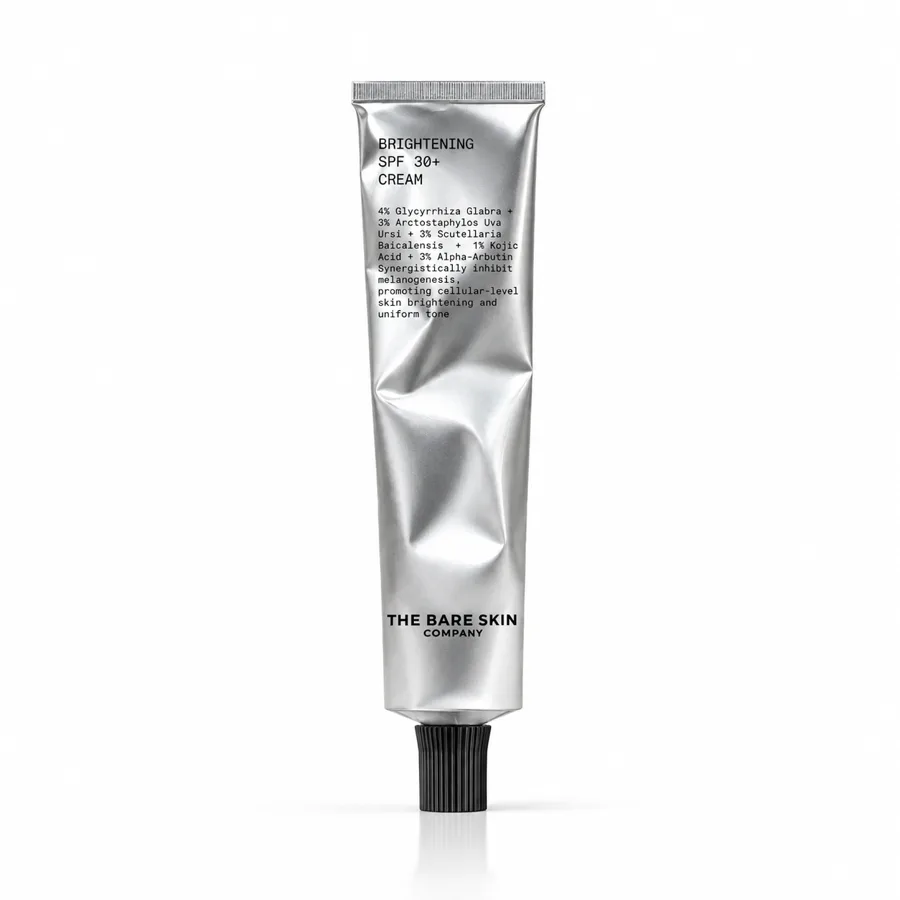
Use a broad-spectrum sunscreen every day, also in winter and on cloudy days. SPF mainly shows the protection against UVB rays, but UVA protection matters too, because UVA also contributes to pigmentation. Apply enough product and reapply it when you spend a long time outdoors. A hat and shade offer extra protection on very sunny days.
Ingredients that help skin look more even
These ingredients are often used in products for dark spots:
- Tranexamic acid helps reduce the look of dark spots and patches. It is gentle and suits sensitive skin.
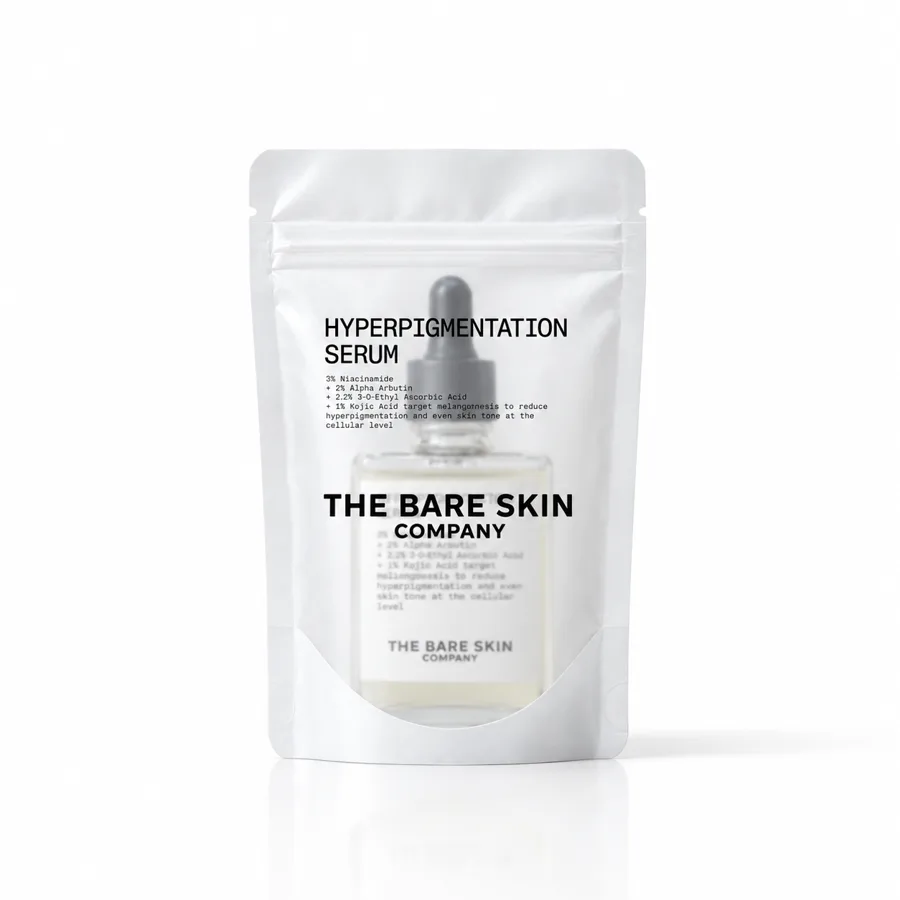
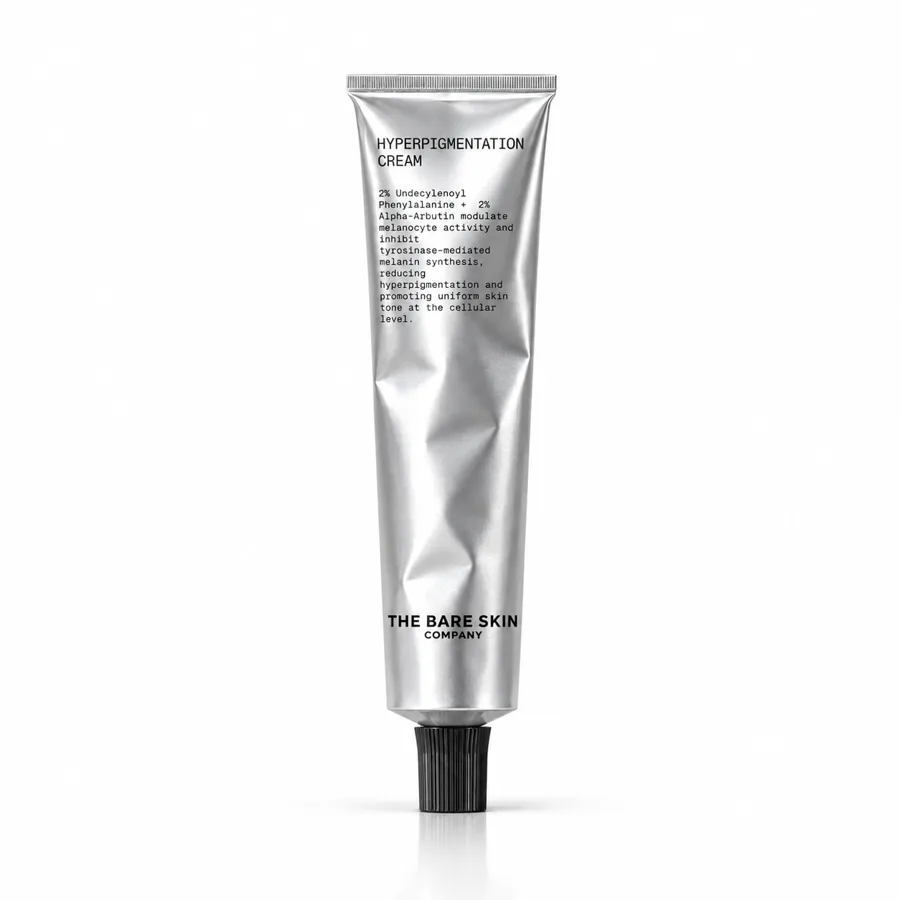
- Alpha arbutin comes from plants. It helps reduce the look of pigmentation and is well tolerated.
- Kojic acid is obtained during fermentation. It helps dark spots look lighter.
- Licorice root extract helps brighten the skin and supports a calm, comfortable feel.
- Niacinamide helps even out skin tone and supports the skin barrier.
Many products combine several of these ingredients, because they support the skin in different ways. Vitamin C is another useful partner for a brighter-looking complexion.
Exfoliation can support the effect
Gentle exfoliation with acids such as glycolic acid or lactic acid removes dead skin cells from the surface. This helps the skin look smoother and more radiant. It can also help your brightening products reach the skin more evenly.
Do not overdo it. Too much exfoliation can irritate the skin, and irritation can lead to new dark marks. Start slowly, for example two to three times a week. Always use sunscreen during the day, because acids can make the skin more sensitive to the sun.
Avoid squeezing or picking at blemishes. This can irritate the skin and increase the risk of dark marks. Physical scrubs should also be gentle. Choose fine textures and do not press hard on the skin.
Be patient and realistic
Dark spots form over a long time, so they also take time to fade. Most people see the first changes after several weeks. Deeper or older spots may need several months of regular use.
Cosmetic products can help dark spots look lighter, but they usually do not remove them completely. If a spot changes in size, shape or colour, bleeds or itches, have it checked by a dermatologist. A dermatologist is also the right contact for large or persistent patches.
Your routine, step by step
Cleanse
Wash your face morning and evening with a mild cleanser.
Treat
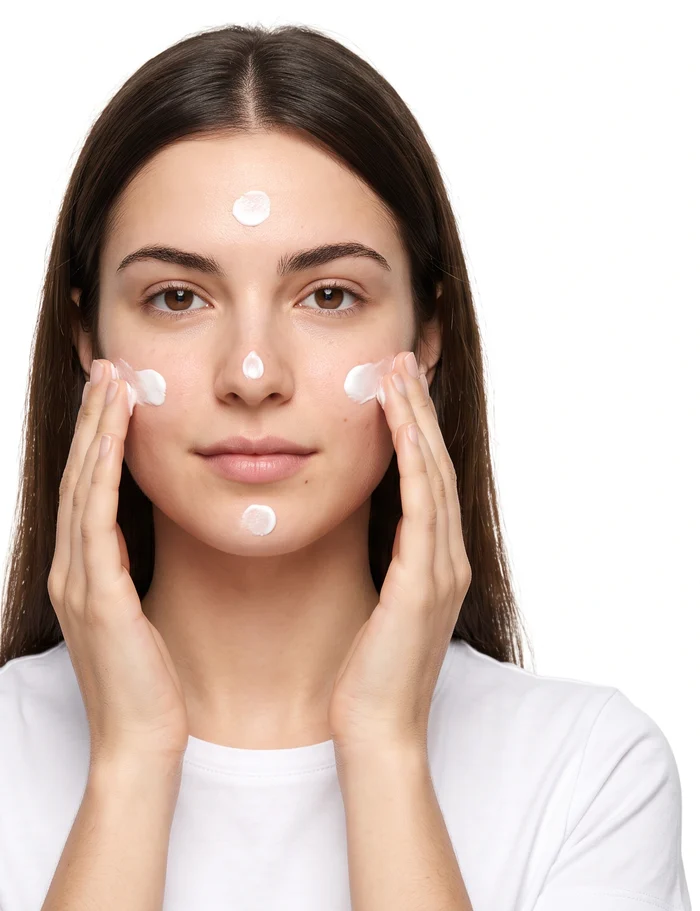
Apply a serum with brightening ingredients such as tranexamic acid, alpha arbutin or niacinamide.
Moisturise
Follow with a moisturiser. Licorice root extract can add extra brightening care.
Protect
In the morning, finish with a broad-spectrum sunscreen every day and reapply it when you are outdoors for a long time.
Frequently asked questions
Which ingredient works best for dark spots?
There is no single best ingredient for everyone. Many people get good results with a combination of ingredients, such as tranexamic acid, alpha arbutin and niacinamide. Daily sun protection is essential for all of them.
Can I use several brightening products at the same time?
Yes, many brightening ingredients work well together. Introduce new products one at a time, so you can see how your skin reacts. If irritation occurs, use fewer products.
Do brightening products suit sensitive skin?
Many brightening ingredients, such as tranexamic acid, alpha arbutin and niacinamide, are generally well tolerated. Test a new product on a small area first. Stop using it if your skin becomes red or irritated.
This article provides general information about cosmetic skin care. It does not replace advice from a doctor, dermatologist or pharmacist. If symptoms are severe, painful or persistent, please seek professional advice. Always follow the directions on the individual product.