
How to find your skin type – and why it changes
Knowing your skin type is the starting point for every good routine. It helps you choose textures and ingredients that feel comfortable and work well for you.
Your skin type is not fixed for life. Age, hormones, climate and even your current products can shift how your skin behaves. That is why it is worth checking your skin again from time to time.
The five common skin types
Most people can place their skin in one of five groups. Many people are a mix, so read all of them.
- Normal skin feels comfortable most of the day. It is neither tight nor shiny, and pores are small.
- Dry skin produces less oil. It can feel tight, look dull and show fine flakes.
- Oily skin produces more sebum. It looks shiny, especially by midday, and pores are often more visible.
- Combination skin is oily in the T-zone (forehead, nose and chin) and normal or dry on the cheeks.
- Sensitive skin reacts easily. It may sting, burn or turn red after certain products or weather changes.
Sensitive skin can appear together with any other type. For example, you can have oily skin that is also sensitive.
A simple test you can do at home
You do not need special equipment to find your skin type. A bare-skin test takes about one hour.
- Wash your face with a mild cleanser and pat it dry.
- Do not apply any other product.
- Wait 30 to 60 minutes and stay indoors.
- Look at your skin in daylight and notice how it feels.
If your skin feels tight or looks flaky, it is probably dry. If it shines all over, it is probably oily. If only your T-zone shines, you likely have combination skin. If it feels comfortable and looks even, your skin is probably normal.
You can also press a clean tissue on different areas. Visible oil on the tissue from the forehead and nose, but not the cheeks, points to combination skin.
Skin type versus skin condition
Your skin type describes how your skin usually behaves. A skin condition is a temporary state that can affect any skin type.
The most common example is dehydration. Dehydrated skin lacks water, not oil. It can feel tight and look dull, even when it is oily at the same time. Heating, air conditioning, harsh cleansers and too much exfoliation can all cause it.
Other temporary conditions include breakouts, redness after sun exposure or rough patches in winter. It helps to care for the condition while still respecting your basic skin type. For example, oily but dehydrated skin often does well with a light, water-based serum with hyaluronic acid.
Why your skin type changes
Many people notice that their skin is different now than it was ten years ago. This is normal.
- Age: Skin usually produces less oil over the years. Oily skin in your twenties can become normal or combination later.
- Hormones: Puberty, the menstrual cycle, pregnancy and menopause can all influence oil production and sensitivity.
- Seasons and climate: Cold, dry air in winter can make skin feel drier. Heat and humidity in summer can make it look oilier.
- Your routine: Harsh cleansers or too many active ingredients can weaken the skin barrier. Skin can then feel drier and more sensitive than it really is.
Because of these changes, repeat the bare-skin test when the seasons change or when your skin starts to feel different.
Matching care to your skin type
Once you know your skin type, you can choose textures and ingredients more easily.
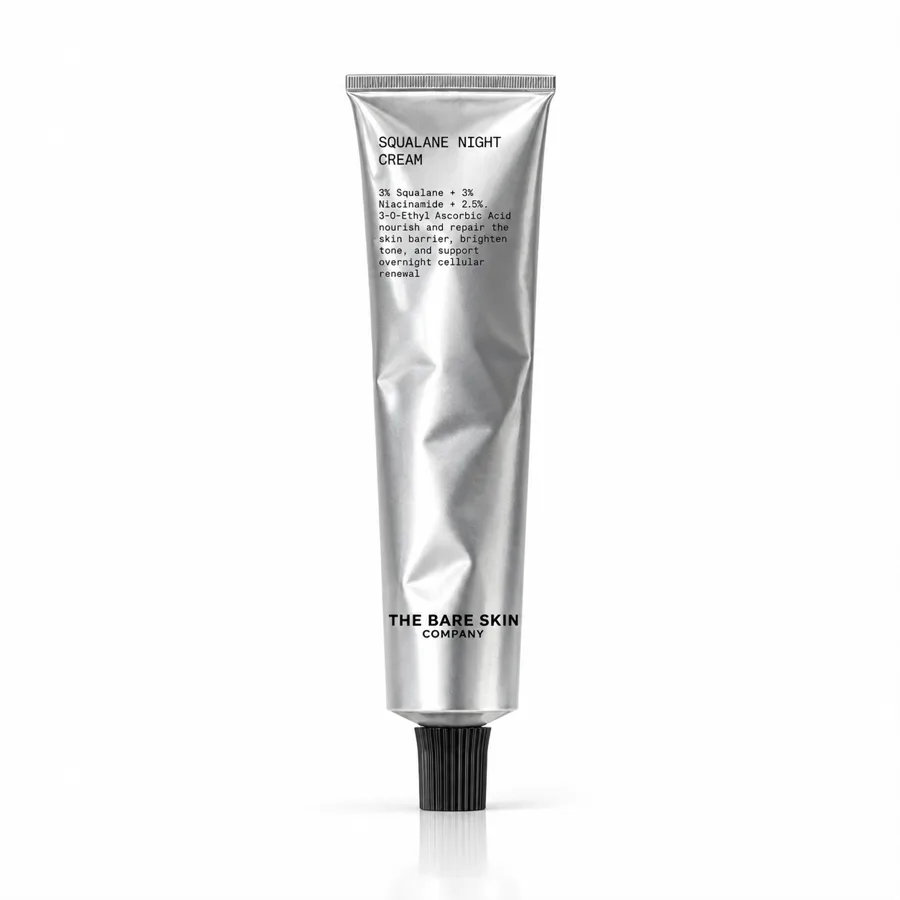
- Dry skin likes richer creams with lipids such as ceramides and squalane. They help support the skin barrier and reduce water loss.
- Oily skin often prefers light gels and fluids. Niacinamide can help balance the look of shine and visible pores.
- Combination skin can use a light texture all over and a richer cream only on dry areas.
- Normal skin needs a simple routine that keeps it balanced: gentle cleansing, hydration and daily sun protection.
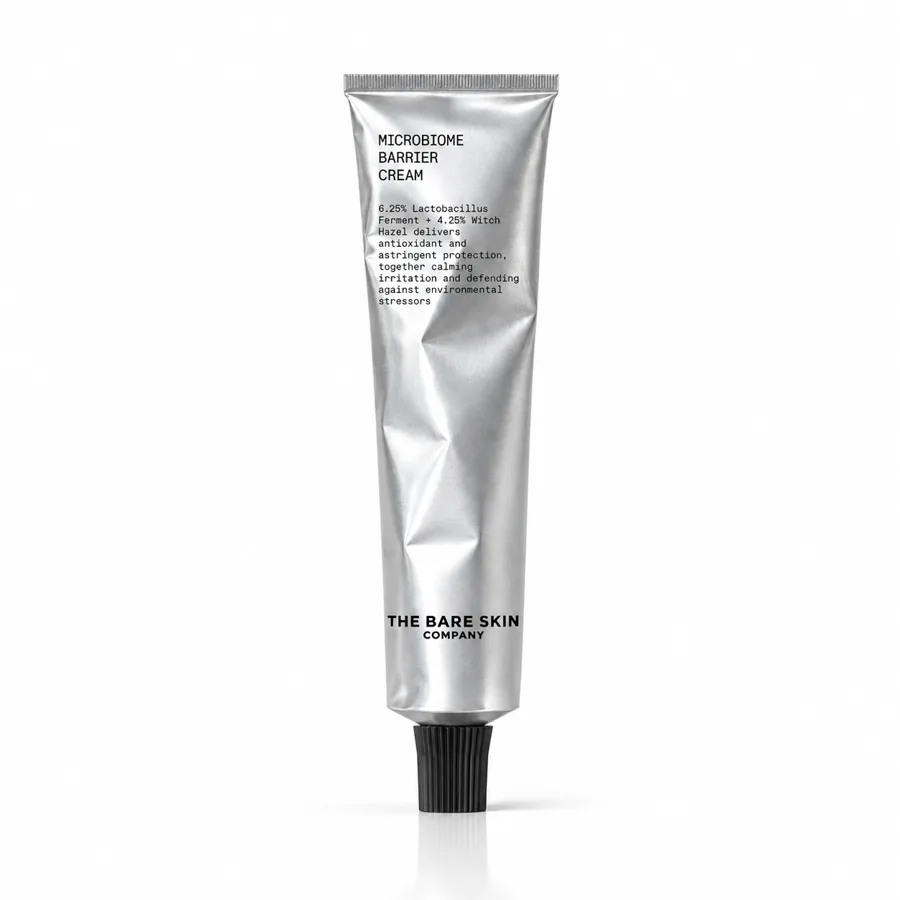
- Sensitive skin does best with short ingredient lists, no added fragrance and slow introduction of new products.
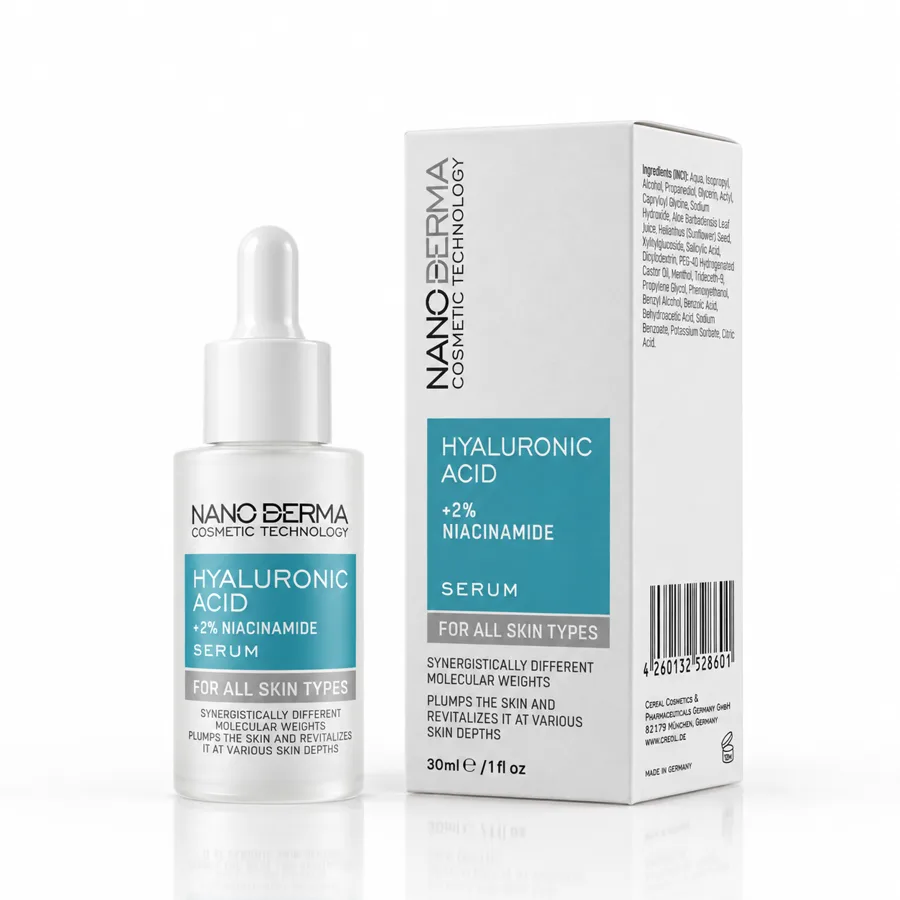
Hyaluronic acid is useful for almost every skin type, because it helps the skin hold water without adding oil.
Your routine, step by step
Cleanse
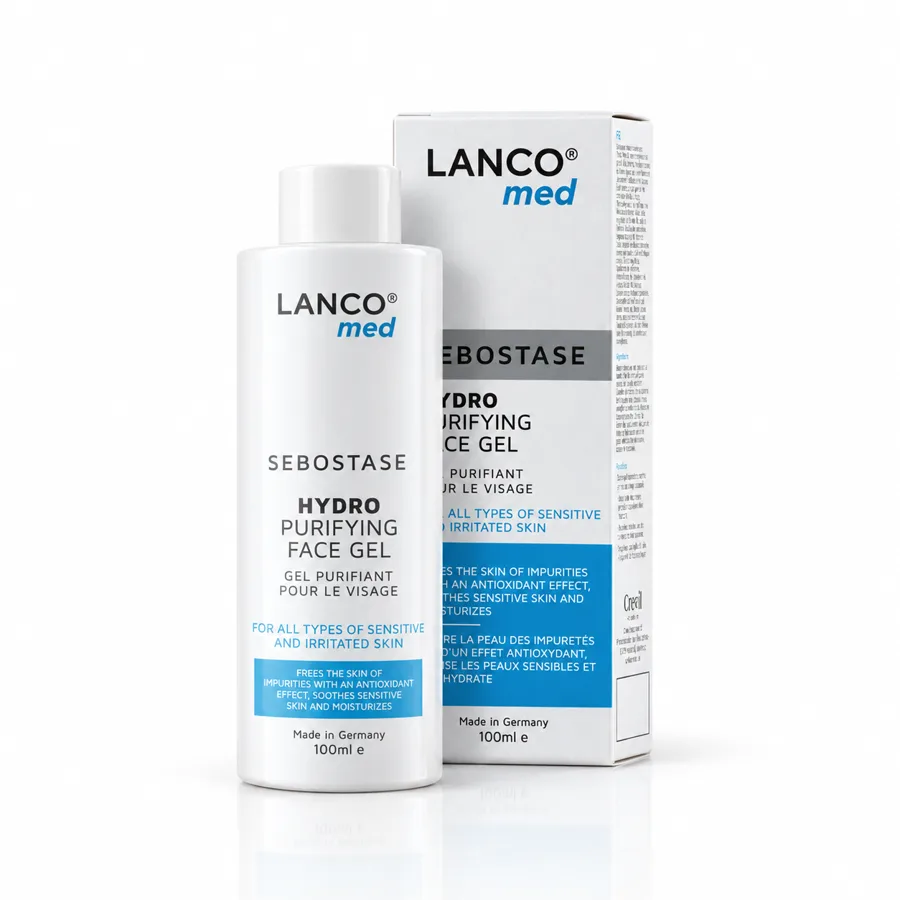
Use a mild cleanser that leaves your skin comfortable, not tight.
Hydrate
Apply a light serum with hyaluronic acid or niacinamide to slightly damp skin.
Moisturise
Choose a gel for oily skin or a richer cream with ceramides or squalane for dry skin.
Protect
In the morning, finish with a broad-spectrum sunscreen.
Frequently asked questions
Can I have more than one skin type?
Yes. Combination skin is very common, and sensitive skin can appear together with any other type. Look at each area of your face separately and care for it accordingly.
How often should I check my skin type?
Check it again when the seasons change or when your skin starts to feel different. Life changes such as pregnancy or menopause are also a good moment to review your routine.
Is sensitive skin a reason to see a dermatologist?
Mild sensitivity can often be managed with gentle products. If your skin is constantly red, burning or itchy, or if symptoms are severe, ask a dermatologist for advice.
This article provides general information about cosmetic skin care. It does not replace advice from a doctor, dermatologist or pharmacist. If symptoms are severe, painful or persistent, please seek professional advice. Always follow the directions on the individual product.