
How often should you exfoliate?

Exfoliation can make the skin look smoother and brighter. But more is not always better. Exfoliating too often is one of the most common reasons for red, tight and sensitive skin.
The right frequency depends on your skin type, the product you use and how your skin responds. This guide helps you find a rhythm that works for you.
Why the right rhythm matters
Your skin naturally sheds dead cells. Exfoliation supports this process when it slows down. It can help improve the look of dull skin, rough texture and clogged pores.
The outer layer of the skin also has an important job. It protects you and helps keep water in the skin. If you exfoliate too often, you can weaken this barrier. The skin may then lose more water and react more easily to products and weather.
The goal is to find a balance. You want to remove enough dead cells to keep the skin smooth, but not so many that the barrier suffers.
A starting guide by skin type
Use these suggestions as a starting point. Always adjust them to how your skin feels.
- Oily or blemish-prone skin: often tolerates exfoliation two to four times a week. A gentle BHA with salicylic acid can sometimes be used daily.
- Normal and combination skin: two to three times a week is a good start.
- Dry skin: one to two times a week. Milder acids such as lactic acid are often more comfortable.
- Sensitive skin: start with once a week and use a low-strength product. Increase only if your skin stays calm.
The season can also change your needs. Many people exfoliate less in cold, dry winter months.
The product makes a difference
Not all exfoliants are equally strong. The type of product is just as important as your skin type.
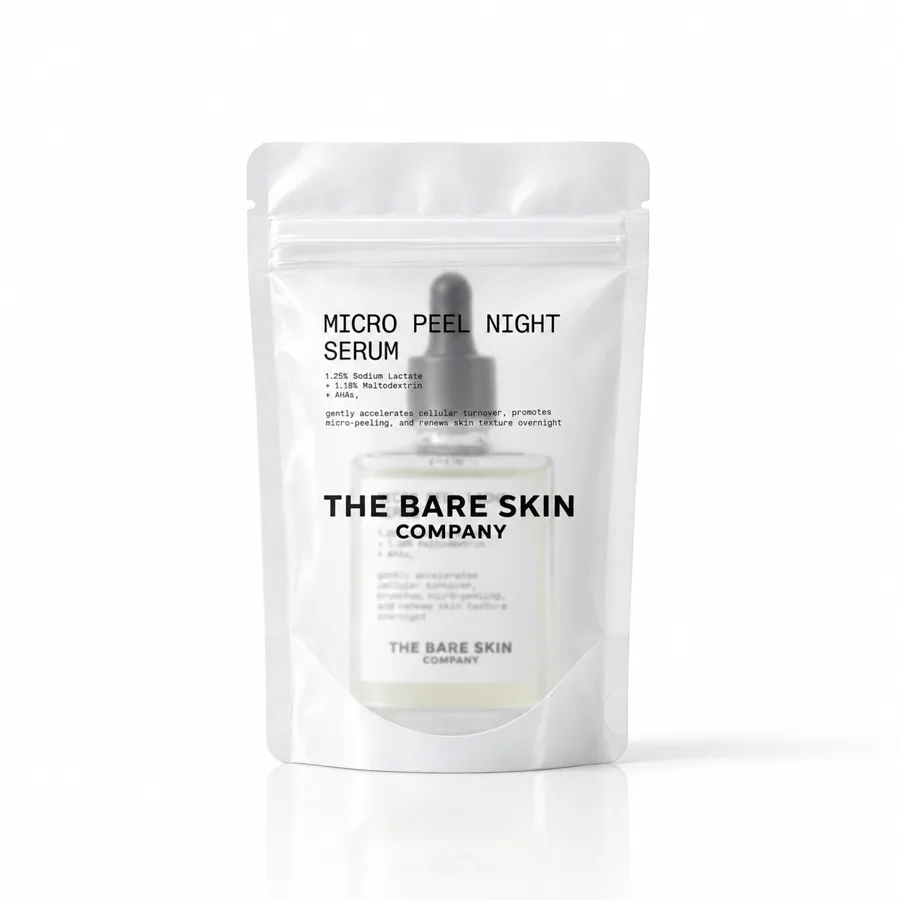
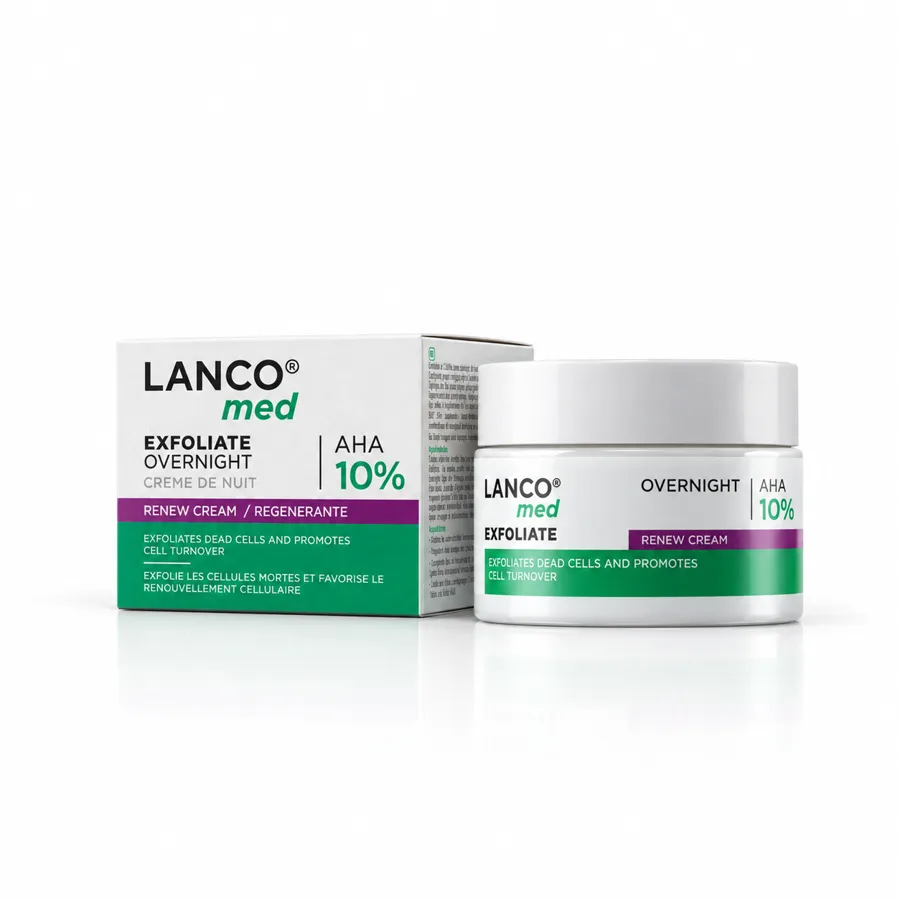
- Gentle leave-on products with low amounts of acids, such as some serums and night creams, are designed for regular use.
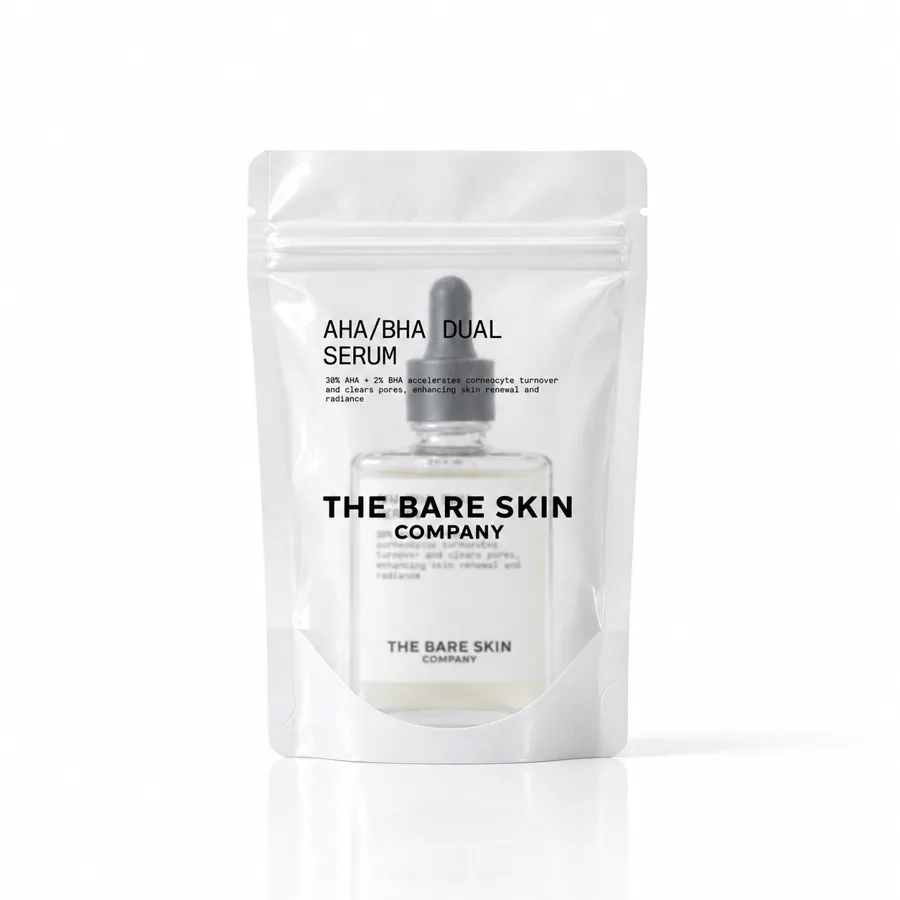
- Strong peels with high concentrations, for example products that combine a high amount of AHA with BHA, are usually meant for once a week or less. Follow the instructions on the packaging.
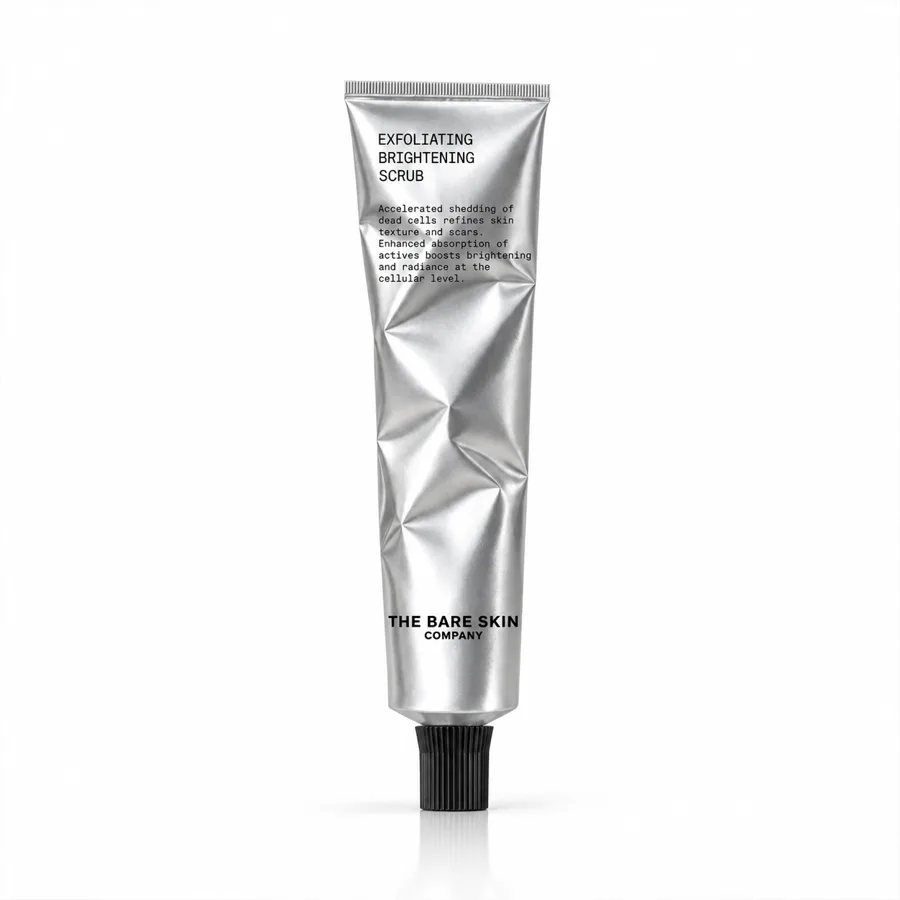
- Physical scrubs with particles should be used gently and not more than once or twice a week.
Use only one exfoliating product in the same routine. Combining several acids, scrubs and retinol at once can easily overwhelm the skin.
Signs you are exfoliating too often
Your skin will tell you when it is too much. Watch for these signs:
- Stinging or burning when you apply normally gentle products
- Redness that does not fade after a few minutes
- Flaking or peeling
- A tight feeling, even after moisturising
- A shiny, almost plastic-like look on the cheeks or forehead
- New breakouts or small bumps
If you notice these signs, take a break. These reactions usually settle when you give your skin time and gentle care.
How to help your skin recover
If your skin feels irritated, stop all exfoliating products for one to two weeks. Keep your routine short and simple.
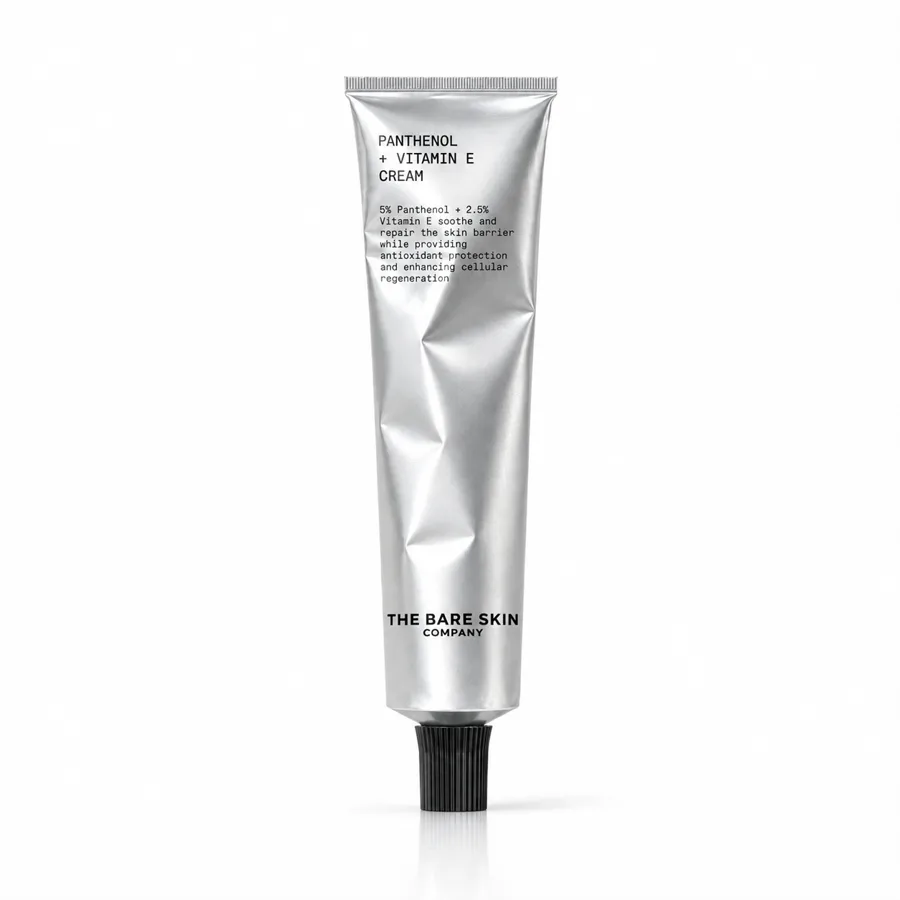
Use a mild cleanser and a soothing moisturiser. Panthenol (pro-vitamin B5) helps keep the skin hydrated and has a calming effect. Ingredients such as glycolic acid should wait until your skin feels comfortable again.
When you start again, use a lower frequency than before. Protect your skin with a broad-spectrum sunscreen every morning, because exfoliated skin can be more sensitive to the sun.
If redness, burning or irritation does not improve, or if it is severe, please see a dermatologist or pharmacist.
Your routine, step by step
Cleanse
Use a gentle cleanser that does not leave your skin tight.
Exfoliate
On your exfoliation evenings only, apply one exfoliating product to dry skin.
Soothe
Follow with a moisturiser, ideally with soothing ingredients such as panthenol.
Protect
Apply a broad-spectrum sunscreen every morning.
Frequently asked questions
Can I exfoliate every day?
Some people with oily skin can use a gentle, low-strength exfoliant every day. Most people get better results with two to three times a week. Strong peels should not be used daily.
Should I exfoliate in the morning or evening?
Most people exfoliate in the evening. This gives the skin time to settle overnight. In the morning, always use sunscreen, because exfoliated skin can be more sensitive to the sun.
Do I need to exfoliate at all?
Not everyone needs to exfoliate. If your skin looks smooth and feels comfortable, a gentle routine with cleansing, moisturising and sun protection may be enough. You can still add a mild exfoliant later if your skin starts to look dull or rough.
This article provides general information about cosmetic skin care. It does not replace advice from a doctor, dermatologist or pharmacist. If symptoms are severe, painful or persistent, please seek professional advice. Always follow the directions on the individual product.