
SPF, UVA and UVB explained
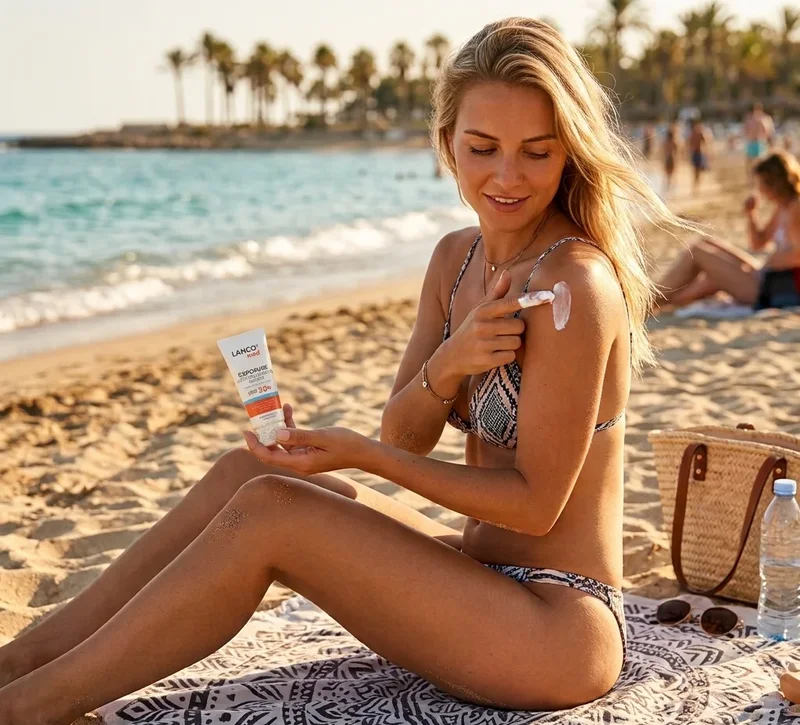
Sunscreen labels can be confusing. There is SPF, there are UVA symbols, and there are terms such as broad spectrum or water resistant. Knowing what they mean helps you choose the right product.
Sun protection is one of the most important steps in any skincare routine. It helps protect your skin from sunburn and from the visible signs of sun damage, such as dark spots and early wrinkles.
UVA and UVB: two kinds of UV light
Sunlight contains different kinds of ultraviolet (UV) light. Two of them are important for your skin.
- UVB rays mainly affect the upper layers of the skin. They are the main cause of sunburn. Their strength changes with the season, the time of day and the location.
- UVA rays reach deeper into the skin. They contribute to visible skin ageing, such as wrinkles, loss of firmness and uneven pigmentation. UVA is present all year round and can pass through clouds and window glass.
Both types of UV light can damage the skin. For this reason, good sun protection covers both.
What SPF really means
SPF stands for sun protection factor. It mainly describes how well a sunscreen protects against UVB rays and sunburn. A higher SPF means more protection against UVB.
SPF is measured in laboratory tests with a fixed amount of sunscreen. In daily life, most people apply much less than this amount. As a result, the real protection is often lower than the number on the label.
No sunscreen blocks all UV rays. Even a high SPF does not mean you can stay in the sun for an unlimited time.
Why UVA protection matters
SPF does not tell you how much a product protects against UVA. Look for extra information on the label. In the European Union, a UVA symbol in a circle shows that the UVA protection meets a recommended minimum level in relation to the SPF.
The term broad spectrum means that a sunscreen protects against both UVA and UVB. For daily use, a broad-spectrum sunscreen with at least SPF 30 is a good choice for most people. For long hours outdoors, near water or snow, or for very fair skin, a higher SPF is often recommended.
How to apply sunscreen correctly
Even the best sunscreen only works if you use it well. Follow these simple rules:
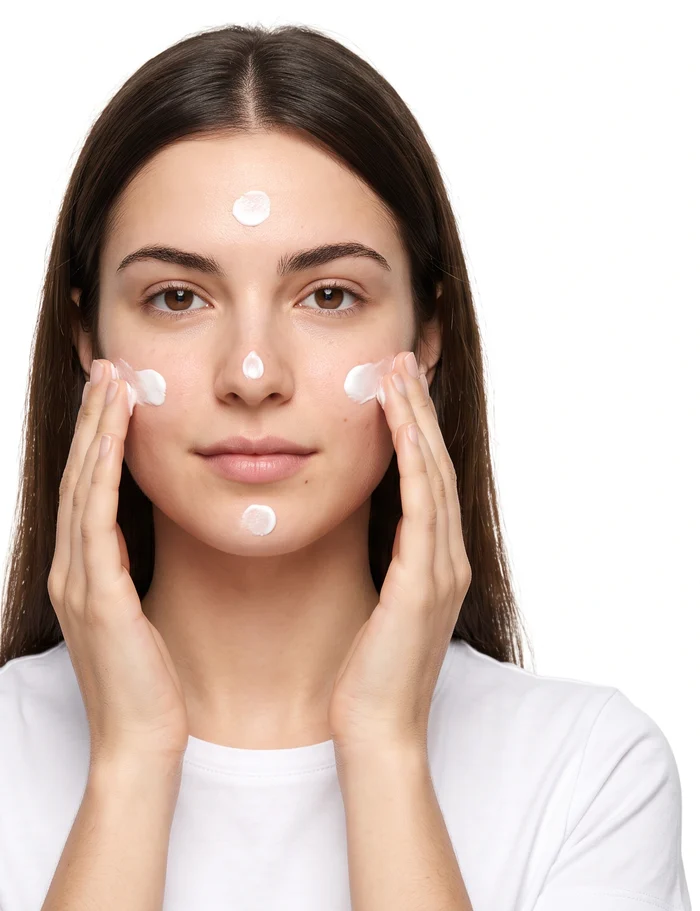
- Use enough: for the face and neck, a common guide is about two finger lengths of product.
- Apply it as the last step of your morning routine, before makeup.
- Do not forget the ears, neck, back of the hands and the hairline.
- Reapply about every two hours when you are outdoors, and after swimming, sweating or towelling.
Water-resistant sunscreens stay on the skin longer in water, but they still need to be reapplied after swimming.
Antioxidants and other sun habits
Some sunscreens also contain antioxidants such as vitamin E. Antioxidants help protect the skin against free radicals that UV light and pollution can create. They support sunscreen, but they do not replace it.
Sunscreen is only one part of sun protection. Seek shade in the middle of the day, wear a hat and sunglasses, and cover your skin with clothing. Babies and young children should be kept out of direct sun. If you get a sunburn that blisters, is very painful or comes with fever, please see a doctor or pharmacist.
Choosing the right sunscreen
The best sunscreen is one that you are happy to use every day. For the face, choose a texture that suits your skin type. Light fluids and gels often suit oily and combination skin. Creams often suit dry skin. If your skin is sensitive or blemish-prone, look for a fragrance-free and non-comedogenic formula.
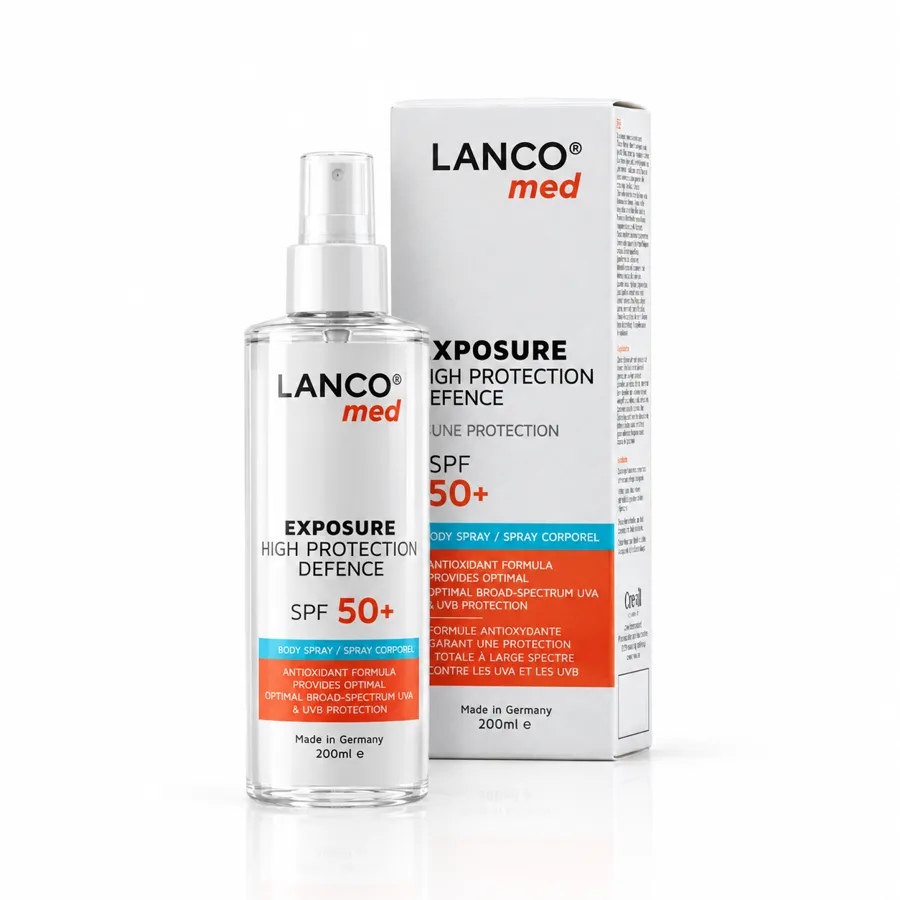
For the body, sprays and lotions make it easier to cover large areas. Sprays should be applied generously and spread with the hands.
Check the expiry date. Sunscreen that is old or has been stored in heat for a long time may protect less well. Keep it out of direct sun, for example in a bag or in the shade.
Frequently asked questions
Do I need sunscreen on cloudy days?
Yes. A large part of UV light passes through clouds. UVA rays are present all year, so daily sunscreen is a good habit.
Is SPF 50 twice as strong as SPF 25?
Not exactly. Higher SPF values filter more UVB, but the difference between high values is smaller than the numbers suggest. Applying enough and reapplying matters more than the exact number.
Does makeup with SPF replace sunscreen?
Usually not. Most people apply too little makeup to reach the SPF on the label. Use a sunscreen first and see SPF makeup as an extra layer.
This article provides general information about cosmetic skin care. It does not replace advice from a doctor, dermatologist or pharmacist. If symptoms are severe, painful or persistent, please seek professional advice. Always follow the directions on the individual product.